
Multi-agent components
Specialized agents, coordinated and integrated with your procurement systems, enabling an innovative and scalable approach.
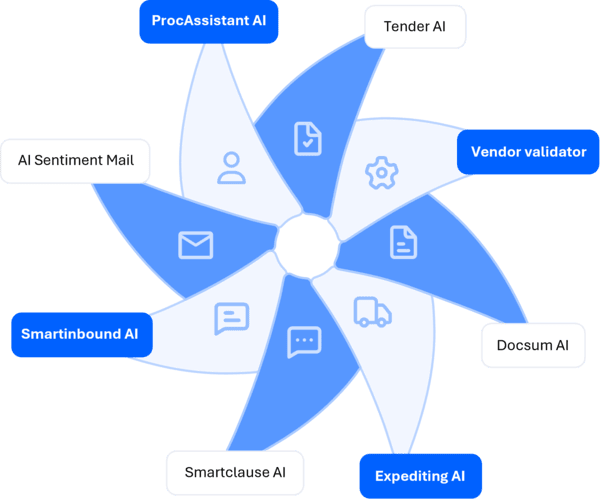
Specialized agents
Each agent covers a specific area (tenders, suppliers, documents, contracts, expediting) and generates ready-to-use outputs such as checklists, scoring, and summaries that accelerate decisions, reduce manual effort, and improve consistency across the sourcing process.
Guided automation
AI accelerates work while keeping users in control, delivering actionable recommendations and automating routine tasks, with built-in oversight and validation to ensure accuracy, compliance, and confident decision-making.
Risk and time reduction
Faster, more consistent controls with fewer errors and less rework. Automation handles repetitive tasks so teams can focus on higher-value decisions, accelerate cycle times, and drive better procurement outcomes.
Who it’s for
M4P is designed for procurement teams across the enterprise:
- Procurement Leaders (CPO / Head of Procurement) – Improve visibility, governance, and strategic decision-making across procurement activities
- Category Managers and Buyers – Automate tenders, supplier evaluation, and document analysis across sourcing processes
- Procurement Operations / COE – Standardize processes and reduce manual effort across procurement workflows
- IT and Digital Teams – Integrate AI into existing ERP and spend management systems

What it does
M4P automates procurement activities where manual effort is highest.
The platform operates across the most critical areas of procurement processes:
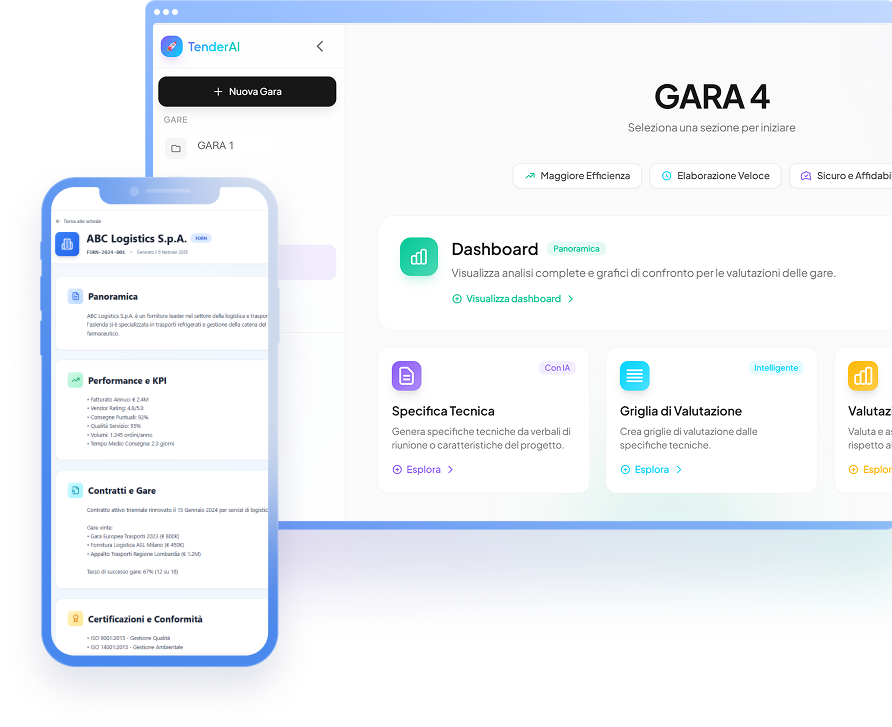
- Retrieving information from multiple systems
- Reading and analyzing documents
- Performing repetitive checks and generating standardized outputs such as evaluation grids
- Checklist
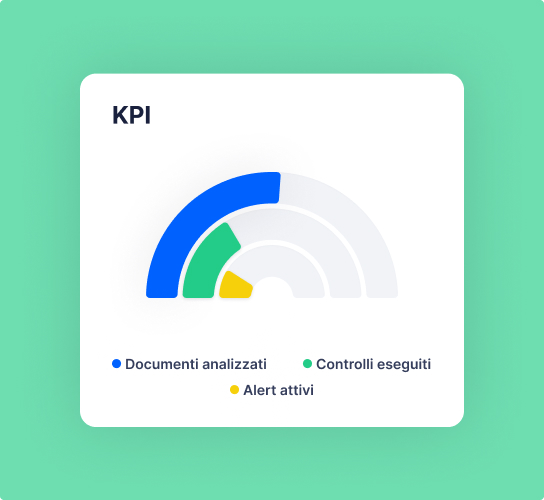
- Producing structured summaries and operational alerts
From manual procurement to automation with M4P
How you do it today |
How you do it with M4P |
|---|---|
|
Manual search and data queries |
AI agents embedded in the process |
|
Reactive and occasional data analysis |
Real-time, proactive document analysis |
|
Limited or no decision support |
Contextualized and guided recommendations |
|
Actions performed manually by users |
Actions performed manually by users |
|
Limited scalability for complex needs |
Scalable, enterprise-ready processes |
|
Risk of errors and inconsistent evaluations |
Consistent, reliable, and standardized evaluations |
Manual search and data queries
Reactive and occasional data analysis
Limited or no decision support
Actions performed manually by users
Limited scalability for complex needs
Risk of errors and inconsistent evaluations
AI agents embedded in the process
Real-time, proactive document analysis
Contextualized and guided recommendations
Actions performed manually by users
Scalable, enterprise-ready processes
Consistent, reliable, and standardized evaluations
M4P Agents portfolio
SmartInbound AI
SmartClause AI
Expediting AI
DocSum AI
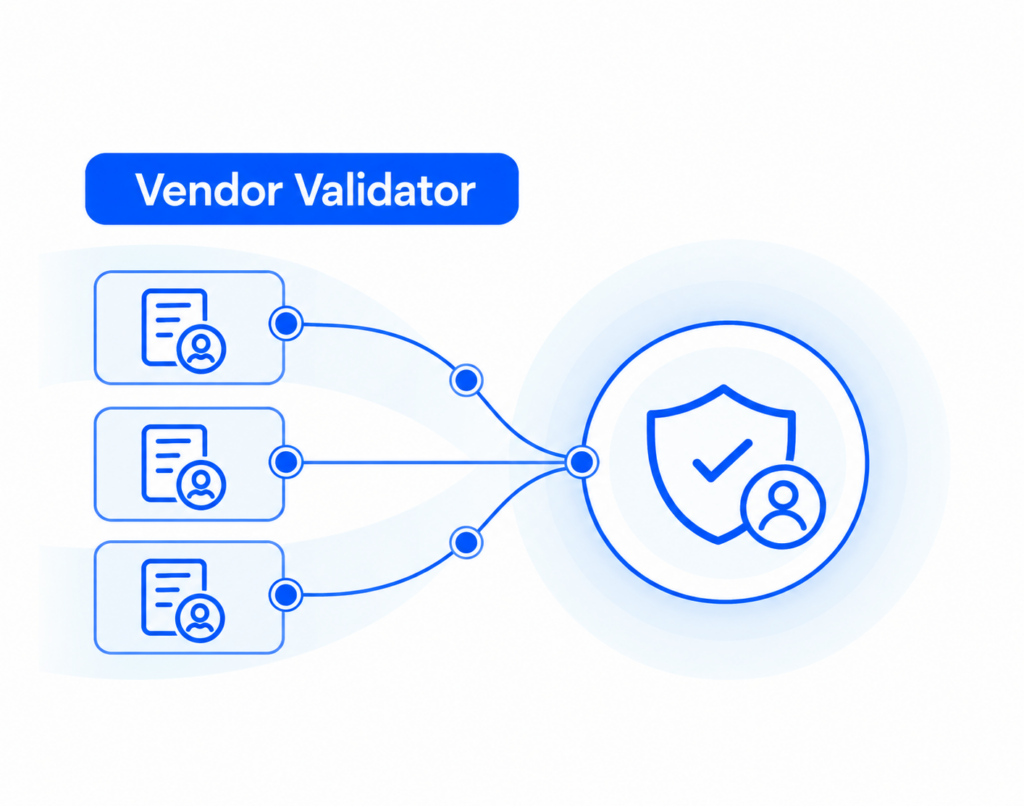
Vendor Validator AI
TenderAI Assistant
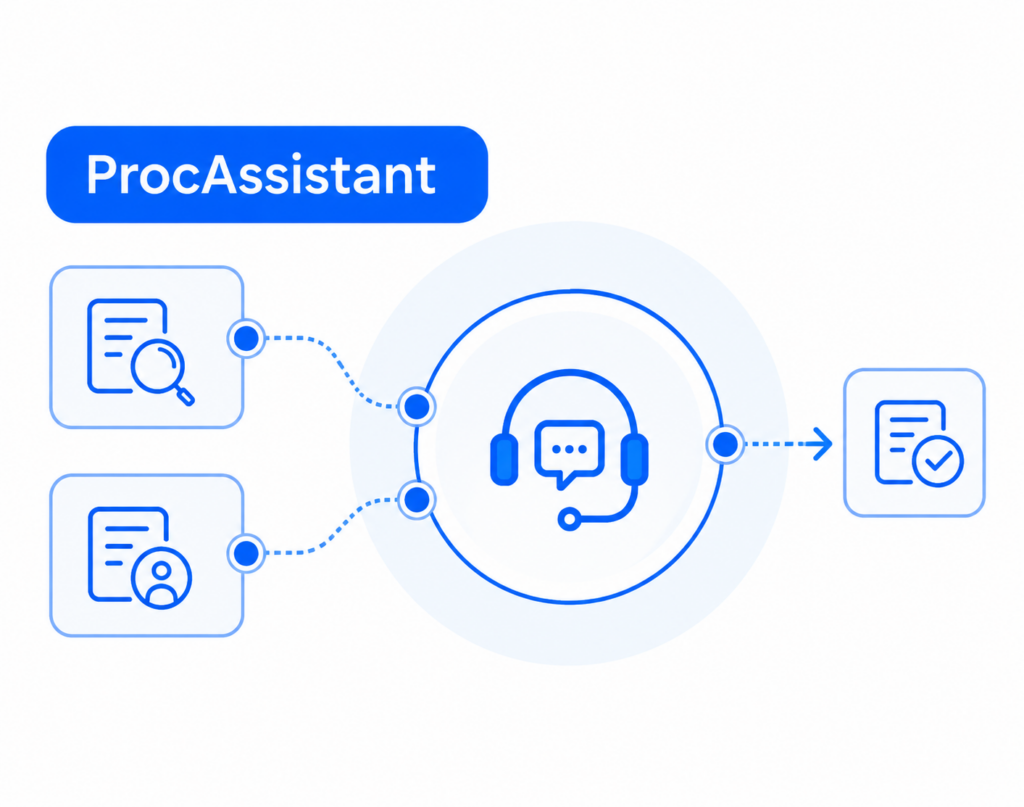
Procurement Assistant
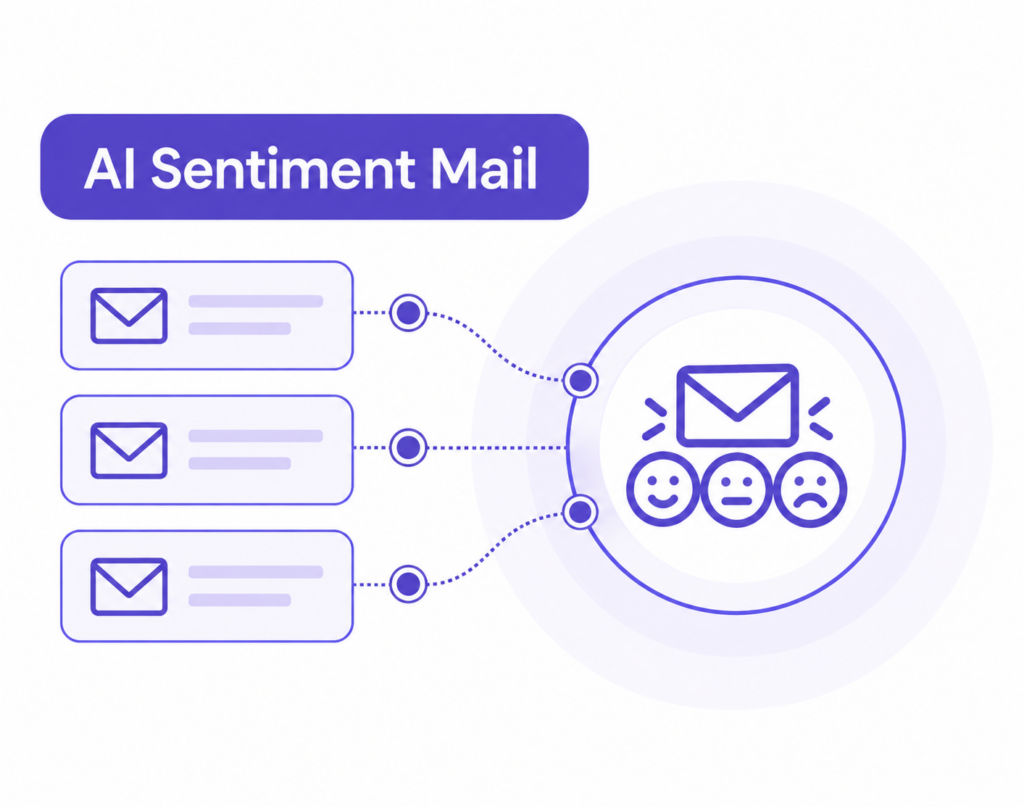
AI Sentiment Mail
Not just an evolution.
A revolution.
How it is adopted
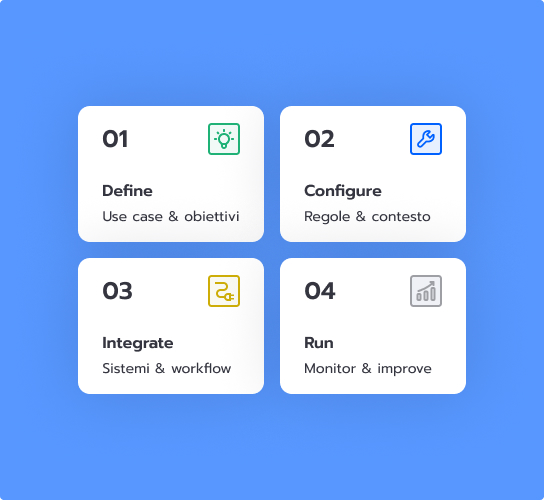
- Rapid alignment on use cases and objectives (processes, stakeholders, data sources)
- Context configuration (rules, documents, terminology, outputs)
- Integration into systems and work channels (connectors, workflows, UI)
- Go-live & continuous optimization (monitoring, tuning, governance)